
United States formalizes sanctions against Carlos Torres for alleged links to the Sinaloa Cartel
The US formalizes sanctions against Carlos Torres, former husband of Marina del Pilar, for alleged ties to the Sinaloa Cartel, according to Infobae.
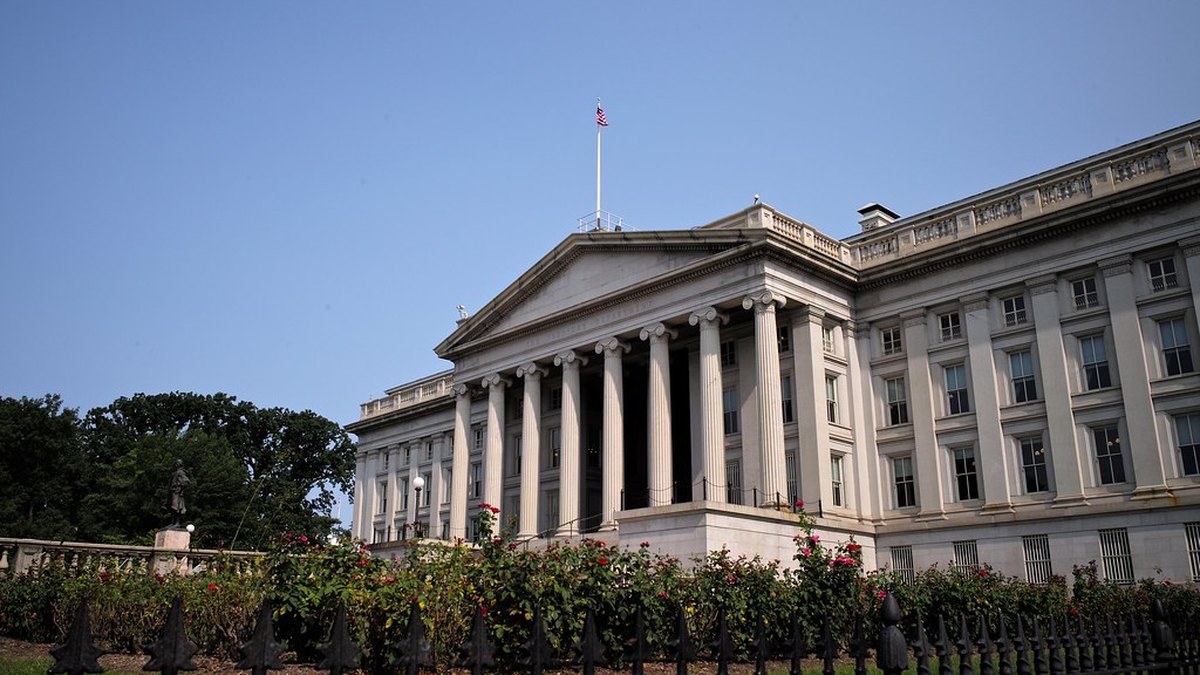
The US Department of the Treasury administers sanctions through OFAC. Photo: *rboed* · CC BY 2.0 · via flickr
The United States has formalized sanctions against Carlos Torres, former husband of former Baja California governor Marina del Pilar, for alleged links to the Sinaloa Cartel, according to reports this morning from Infobae, diario21.com.mx and eltiempomx.com. The measure was made public between 01:30 and 02:35 UTC on October 7, although none of the outlets specifies which US agency executed the sanctions or what type of financial or asset restrictions they entail.
The formalized sanctions against Torres form part of US policy to pursue assets and financial networks linked to drug trafficking in Mexico. In principle, such measures typically include asset freezes, prohibition on conducting business with US entities, and inclusion on lists maintained by the Office of Foreign Assets Control (OFAC) of the Department of the Treasury, although the cited outlets do not detail the exact scope in this case.
Political and business context
Marina del Pilar served as governor of Baja California between 2021 and 2027, becoming the first woman to hold the post in the border state. Carlos Torres is identified in all three outlets as her former husband, without specifying his professional profile or the nature of his alleged ties to the criminal organization.
The Sinaloa Cartel, one of Mexico’s principal drug trafficking organizations, operates with particular intensity in Mexico’s Pacific region and maintains distribution routes into the United States through border crossings in Baja California.
The formalization of sanctions by the US typically presages financial restrictions that can affect Mexican companies or assets with exposure to the US banking system.
Market implications
While the news is political and judicial in nature, US sanctions related to organized crime in Mexico can have indirect effects on Mexican assets if they implicate business or financial networks. In principle, the measure affects an individual without current public office, so the immediate impact on investor confidence or the peso-dollar exchange rate would be limited.
However, any extension of sanctions to other linked individuals or entities, or the designation of companies with cross-border activity, could increase risk perception in sectors with exposure to Baja California. The outlets do not mention affected companies or third parties.
What to watch
Awaiting official confirmation from the US Department of the Treasury or OFAC regarding the scope and nature of the sanctions. It is also worth monitoring whether Mexican authorities issue any statement or if the measure is extended to other individuals or entities. The behavior of the Mexican peso and financial assets linked to Baja California at Tuesday’s opening could reflect market reaction if further details emerge.
Disclaimer: informational content. Trading and investments carry risk of loss, including total loss of capital. This is not investment advice.
Related · Onyqdesk tools
Sources: headlines and summaries from agencies and media (open sources), corroborated by at least two different outlets.
🇪🇸 Versión en español: Estados Unidos formaliza sanciones contra Carlos Torres por presuntos vínculos con el Cártel de Sinaloa
What if the next piece reached you before it happened?
Monday to Friday, 1h35 before the New York cash open: the pre-market with levels, the calendar and the trading idea of the day. On Sunday, the weekly wrap and the week ahead. Free. No spam. One click to unsubscribe.



Leave A Comment
You must be logged in to post a comment.