
Seven OPEC+ countries keep November production targets unchanged
Seven key OPEC+ countries are keeping their November production targets unchanged, extending October’s pause in output increases.
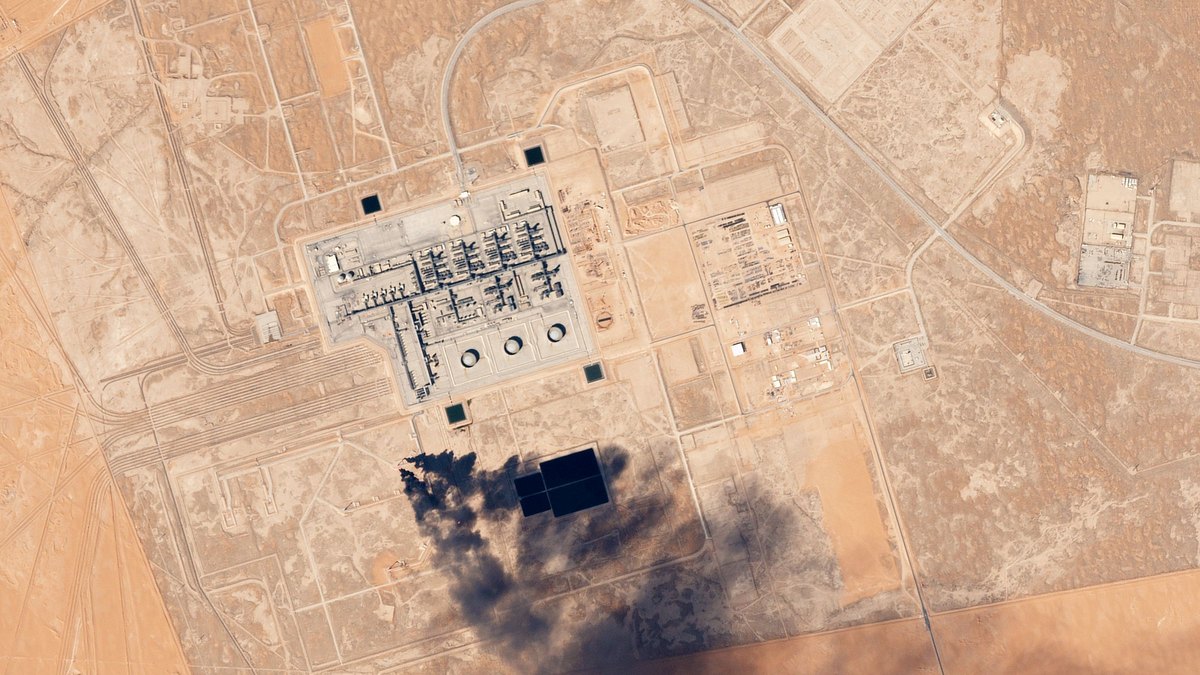
Oil storage facilities. OPEC+ will keep production targets unchanged for November. Photo: Planet Labs, Inc. · CC BY-SA 4.0 · via wikimedia
Seven key OPEC+ members (Saudi Arabia, Russia, Iraq, Kuwait, Kazakhstan, Algeria and Oman) have agreed to maintain November production quotas at September levels, according to EFE. The pause in output increases had already been applied for October, meaning it extends for a second consecutive month.
This is not a decision by the alliance’s twenty-one members as a whole, but rather by the seven countries managing voluntary production adjustments. The decision was confirmed this Sunday following that meeting, after Reuters had earlier reported that an agreement in principle existed.
Production targets, not actual production
What remains unchanged are the production targets. According to Reuters, those targets had been rising throughout 2026, but a significant portion of the increases remained on paper due to disruptions in the Middle East: the seven countries produced around 25 million barrels per day in August, still well below pre-war levels. The correct reading is therefore that they will not raise their production targets for November, not that they are ceasing to produce more or less crude.
In 2023, several OPEC+ members introduced significant voluntary cuts to support the market. They subsequently began reversing them gradually and, throughout much of 2026, raised their production targets. That sequence stalled in October and now the pause will extend through November.
What it could mean for crude
In principle, keeping production targets unchanged is supportive for crude versus the alternative scenario of a fresh supply increase. However, the immediate impact may be limited because the decision was widely anticipated by the market, according to coverage published today, and because the market remains conditioned by supply disruptions in the Middle East: export interruptions due to the conflict with Iran, problems in the Strait of Hormuz, and delayed capacity maintenance, according to Reuters.
For energy markets, the decision removes for now the risk of an additional increase in pumping targets for November. The crude prices shown on this page correspond to previous week closes: the decision was announced on Sunday, with markets closed, so they do not yet reflect any reaction to the news.
A sustained rise in oil prices could add inflationary pressure and, if significantly passed through to prices, influence expectations regarding monetary policy at the Federal Reserve and ECB.
What to watch
The seven countries will continue to review market conditions monthly and will meet again on 1 November. Later that month, on 30 November, the alliance’s full ministerial meeting is scheduled to address, among other matters, 2027 production levels. Until then, the reference points are Monday’s market open and supply developments in the Middle East.
Disclaimer: informational content. Trading and investing carry risk of loss, including total loss of capital. This is not investment advice.
Related · Onyqdesk tools
Sources: EFE, El País and Reuters (headlines and summaries published today), cross-checked.
🇪🇸 Versión en español: Siete países de la OPEC+ mantienen sin cambios sus objetivos de producción para noviembre
What if the next piece reached you before it happened?
Monday to Friday, 1h35 before the New York cash open: the pre-market with levels, the calendar and the trading idea of the day. On Sunday, the weekly wrap and the week ahead. Free. No spam. One click to unsubscribe.



Leave A Comment
You must be logged in to post a comment.